As we move into 2026, the world faces a critical synthesis: the Water-Energy Nexus. No longer can we treat electricity and freshwater as separate commodities. The energy transition, once criticized for its massive water footprint, has evolved. By 2026, we have moved from a model of resource competition to one of Circular Symbiosis, where energy creates water, and water stabilizes energy.
2. The 2026 Reality: Water as the Final Frontier
In 2026, water scarcity is a primary constraint on global GDP. The energy transition—specifically the surge in green hydrogen and nuclear SMRs—initially strained local water tables.
2.1 The Bidirectional Dependency
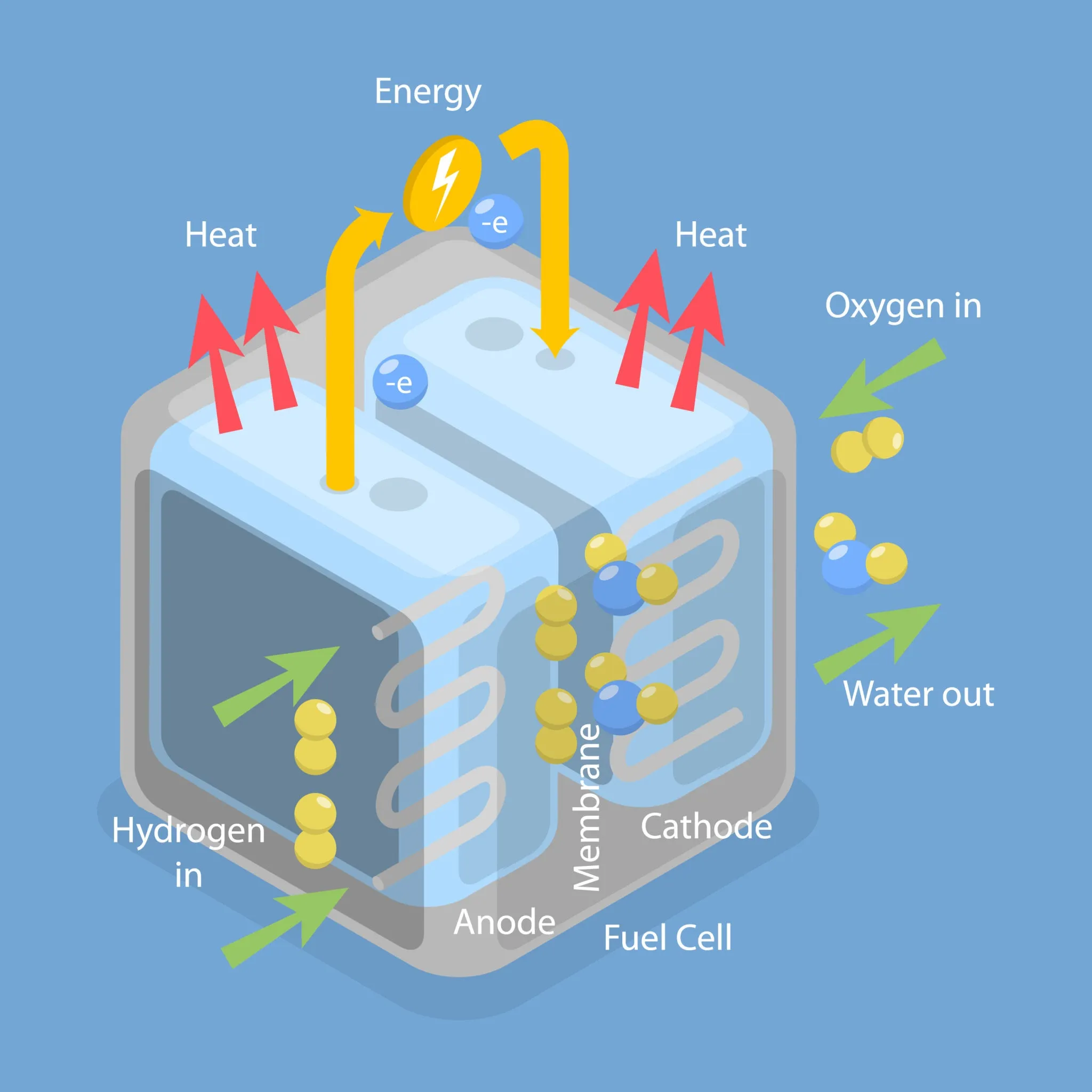
- Water-for-Energy: Conventional thermal plants and new green hydrogen electrolyzers require high-purity water. By 2026, producing 1kg of green hydrogen still requires roughly 9 liters of high-quality H₂O.
- Energy-for-Water: Extracting and treating water is incredibly energy-intensive. Desalination alone accounts for a significant portion of the electricity load in the Middle East and North Africa (MENA) regions.
3. Renewable Desalination: Solving the Trilemma
The 2026 breakthrough lies in decoupling water production from fossil fuels through Renewable Reverse Osmosis (RO).
3.1 100% Off-Grid Desalination
In 2026, large-scale RO plants in Neom (Saudi Arabia) and Western Australia are operating entirely on dedicated wind and solar farms.
- Efficiency: Advances in biomimetic membranes have reduced the energy required for desalination to 2.5 kWh/m³, a 50% reduction from 2020 averages.
- Stabilization: These plants act as “Flexible Loads,” ramping up production when renewable energy is abundant and storing water as a form of long-duration energy storage.
3.2 Brine Mining and Zero Liquid Discharge (ZLD)
Brine is no longer waste; it is a 2026 revenue stream. Through Brine Mining, plants are extracting Lithium, Magnesium, and Rubidium from desalination byproducts. This “Zero Liquid Discharge” approach protects marine ecosystems while providing the raw materials for the battery revolution.
4. Green Hydrogen’s Water Footprint
The “Hydrogen-Water Paradox” of the early 2020s has been largely mitigated through chemical innovation.
4.1 Direct Seawater Electrolysis
A pivotal 2026 achievement is the commercialization of Direct Seawater Electrolysis. By utilizing specialized catalysts that prevent chlorine corrosion, electrolyzers can now split seawater without the need for an expensive and energy-intensive desalination pre-stage.
- Cost Impact: This technology has lowered the Levelized Cost of Hydrogen (LCOH) by 15% in coastal regions.
4.2 Wastewater Reforming
In 2026, “Wastewater-to-Hydrogen” projects are scaling in urban centers. Municipal runoff is treated and used as an electrolyzer feedstock, turning a waste stream into high-value energy molecules while simultaneously purifying the local water supply.
5. AI Data Centers: The Cooling Revolution
The AI-driven 17% power surge of 2026 has a hidden water cost, but data centers are fighting back with closed-loop innovation.
5.1 From Evaporation to Immersion
To survive in water-stressed regions like the US Southwest, 2026 data centers have abandoned traditional evaporative cooling.
- Liquid Immersion Cooling: Servers are submerged in dielectric fluid, recirculating heat without losing a single drop of water to the atmosphere.
- Heat Donors: These facilities are now integrated into “Nexus Hubs,” donating their waste heat to power local desalination units or greenhouse heating, achieving a circular resource loop.
6. Smart Water Grids and Tokenization
Digitalization has turned the water pipe into a neural network.
6.1 IoT and Micro-Turbines
2026 “Smart Water Grids” use AI to predict leaks before they happen, saving billions of gallons. Additionally, Micro-Turbines installed in municipal gravity-fed pipes generate electricity from the flow of water, providing localized power for sensors and smart meters.
6.2 The Tokenization of Water
Using blockchain technology, 2026 industries now trade “Water Credits.” * Transparency: Every gallon saved by a factory is tokenized and can be sold to a neighboring facility, creating a financial incentive for conservation that mirrors the carbon market.
7. Global Policy: Water-Energy Sovereignty
Policy in 2026 has caught up with technology. The Water-Energy Sovereignty Act (enacted across the EU and parts of Asia) now mandates that no new power project can be approved without a “Zero-Net Water” impact assessment.
7.1 Nexus-Positive ESG
Investors have shifted their focus to Nexus-Positive ESG funds. These funds prioritize projects that demonstrate a net-positive contribution to the local water cycle, such as wind farms that fund atmospheric water generation for local agriculture.
Conclusion: A Harmonized Future
In 2026, we have proven that the energy crisis and the water crisis are, in fact, the same problem. By treating them as a single nexus, we have unlocked a future of Circular Abundance.
Final Thought: The 2026 transition has taught us that we cannot power the future by draining the planet’s lifeblood. By harmonizing the electron and the molecule, we have finally aligned our industrial progress with the natural cycles of the Earth.